

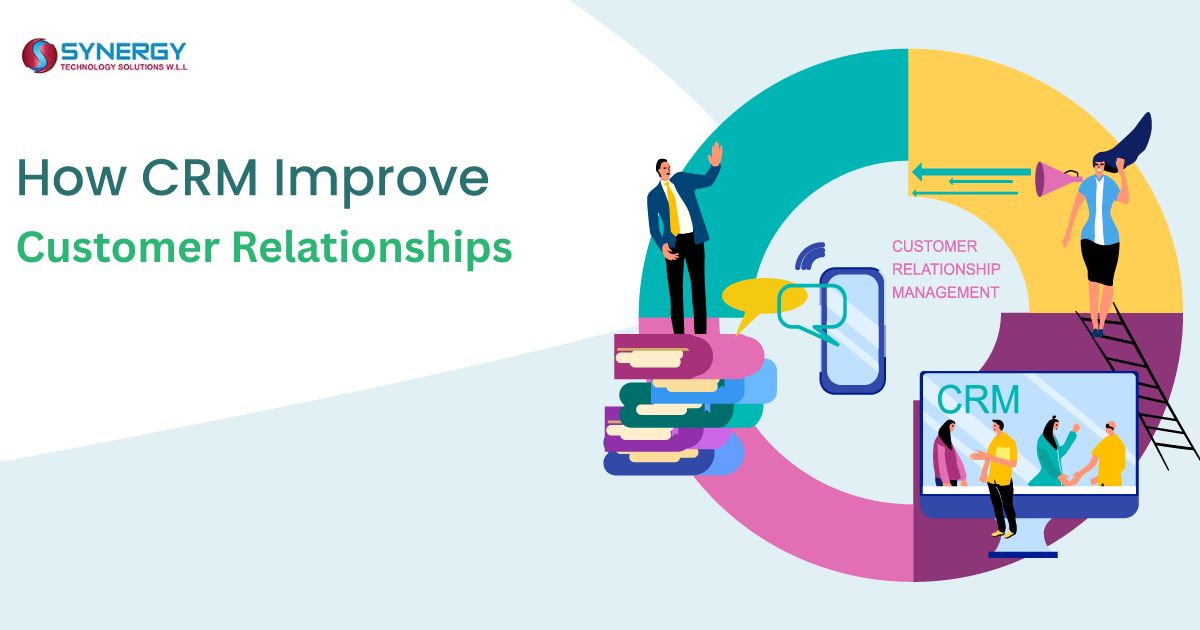
CRM (Customer Relationship Management) software is a game-changer for businesses looking to build lasting customer relationships. In today’s competitive market, delivering a great customer experience isn’t just an option- it’s a necessity. Companies that prioritize customer relationships see higher retention rates, increased revenue, and stronger brand loyalty.
Over 91% of businesses with more than 11 employees use CRM software to streamline interactions, track customer data, and improve service quality. A well-implemented CRM system can boost sales by 29%, enhance productivity by 34%, and increase forecast accuracy by 42%. With businesses losing $1.6 trillion annually due to poor customer experiences, a CRM system isn’t just beneficial-it’s essential.
More than 65% of businesses integrate CRM software within their first five years to manage leads, automate tasks, and personalize customer interactions. Companies that use CRM see a 47% improvement in customer retention and enjoy higher customer satisfaction rates.
At Synergy Technology Solutions W.L.L, we offer scalable CRM solutions through ERPNext, providing an all-in-one system to manage sales, customer service, and marketing effortlessly. With its user-friendly interface, open-source flexibility, and cloud capabilities, ERPNext is the perfect solution for businesses of all sizes.
In this page, we’ll explore the types, components, and benefits of CRM software and how it enhances customer relationships.
What is CRM & Why Does It Matter?
CRM, or Customer Relationship Management, is a software system that helps businesses organize, track, and manage customer interactions in one place. Instead of handling customer details through spreadsheets or scattered notes, CRM software provides a centralized hub where businesses can store customer data, track sales, and streamline communication between sales, marketing, and support teams.
Every business, whether small or large, interacts with customers daily. Without an efficient system, managing customer information manually can lead to missed opportunities, delayed responses, and lost revenue. A CRM system ensures that all customer interactions are recorded, allowing businesses to provide personalized experiences, track leads effectively, and automate repetitive tasks. This not only saves time but also improves efficiency.
A well-implemented CRM system boosts sales by helping businesses manage leads, follow up on prospects, and close deals faster. It also enhances customer service by providing instant access to past interactions, ensuring that support teams can resolve issues quickly. By keeping track of customer preferences and behaviors, CRM enables businesses to build long-term relationships, ultimately increasing customer loyalty and retention.
Types of CRM Software
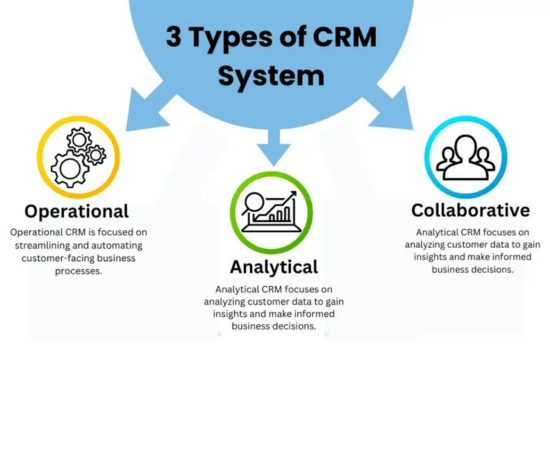
A. Operational CRM
Operational CRM helps businesses automate and improve daily tasks like sales, marketing, and customer service. It makes everyday operations smoother, allowing businesses to save time and serve customers better. For example, businesses can set up automated email campaigns that send personalized messages to customers or use chatbots to quickly answer customer questions. This saves time for both customers and support teams. In fact, companies using operational CRM often see a 20-30% increase in sales productivity due to automation and simpler processes.
B. Analytical CRM
Analytical CRM helps businesses look at customer data to make better decisions. By understanding customer behavior, preferences, and buying patterns, businesses can improve their marketing and make sure they are offering what customers want. For example, a business might use analytical CRM to track which products customers like the most and send them personalized offers based on that. Research shows that businesses using analytical CRM are 40% more likely to improve customer retention and keep their customers happy.
C. Collaborative CRM
Collaborative CRM helps different teams like sales, marketing, and customer service work together more smoothly. It makes sure that customer information is shared easily between departments so that everyone can offer a better customer experience. For example, the sales team can see what issues customers have raised with customer service, allowing them to better understand the customer before reaching out. Businesses using collaborative CRM often see a 30-50% increase in team productivity, which leads to quicker responses and better service for customers.
Key Components of CRM Software
A. Contact & Lead Management
Contact and lead management helps you keep all customer information in one place. About 74% of businesses report that better customer data management leads to increased sales. This feature allows you to easily track leads and manage relationships, making it simpler to nurture leads into loyal customers.
B. Sales Automation
With sales automation, CRM systems save time by automating follow-ups, sales pipelines, and lead tracking. In fact, businesses using sales automation see 10-30% faster sales cycles. This automation lets your team focus on closing deals while the system provides real-time insights for better sales forecasting.
C. Marketing Automation
Marketing automation boosts efficiency by automating tasks like email campaigns and social media scheduling. Companies using marketing automation have seen a 451% increase in leads. This component helps ensure you’re reaching the right audience at the right time, improving customer engagement and maximizing marketing efforts.
D. Customer Support & Helpdesk
The customer support and helpdesk feature helps resolve queries and manage complaints faster. With a CRM system, businesses reduce response times by 25%. This leads to higher customer satisfaction, as customers get the answers they need promptly and effectively.
E. Reporting & Analytics
CRM systems offer reporting and analytics to track important metrics like sales performance and customer interactions. Businesses using CRM analytics are able to make 29% better decisions. By gaining detailed insights, you can improve your strategies and adapt quickly to changes in your market.
How CRM Software Enhances Customer Relationships
A. Centralized Customer Data for Better Insights
CRM software stores all your customer data in one place, making it easy to track interactions. By having everything in one spot, businesses can personalize experiences based on previous conversations, which helps increase customer satisfaction by up to 20%.
B. Improved Communication & Engagement
With CRM, follow-ups, emails, and reminders are automated, ensuring customers stay engaged. This smoothens communication between sales, support, and marketing teams, leading to a 30% increase in customer retention.
C. Boosts Sales & Lead Conversion
CRM helps track leads and guide them through the sales process. It gives valuable insights into customer behavior, allowing sales teams to close deals 25% faster by focusing on high-potential leads.
D. Enhances Customer Support & Satisfaction
CRM software automates ticket management, reducing response times. By storing past interactions, it helps support teams resolve issues faster, improving customer satisfaction by up to 40%.
E. Automates Workflows & Saves Time
CRM automates repetitive tasks like data entry and reporting. This saves businesses time and allows them to focus on growth strategies, improving productivity by around 50%.
Benefits of Using CRM Software
Using CRM software helps businesses work smarter, not harder. Let’s explore how CRM can help you grow your business:
- Better Customer Relationships
CRM software stores all customer data in one place, making it easy to personalize interactions. This leads to stronger, more trusting relationships with customers. In fact, 74% of businesses say CRM software helps improve their customer relationships. - Higher Sales & Revenue
CRM helps sales teams track leads more effectively, leading to faster conversions. Studies show that 65% of businesses see increased sales after implementing CRM. By focusing on the right opportunities, you can close more deals and boost revenue. - Improved Efficiency
CRM software automates repetitive tasks like data entry and follow-ups. This saves businesses time and helps them focus on more important tasks. In fact, 70% of salespeople report that CRM software improves their efficiency by automating administrative work. - Data-Driven Decisions
CRM provides real-time data and insights about your customers. With this information, businesses can make smarter decisions that drive growth. Around 60% of companies report making better decisions with the help of CRM analytics. - Seamless Team Collaboration
CRM software allows marketing, sales, and support teams to share customer data easily. This helps teams work together more effectively, leading to better customer service. 64% of teams say CRM helps them collaborate better and improves overall performance.
CRM Software Benefits at a Glance
| Benefit | Impact | Percentage |
| Better Customer Relationships | Improved customer loyalty and trust | 74% |
| Higher Sales & Revenue | Increased conversions and revenue | 65% |
| Improved Efficiency | Time saved by automating tasks | 70% |
| Data-Driven Decisions | Smarter, growth-focused decisions | 60% |
| Seamless Team Collaboration | Better teamwork and improved customer service | 64% |
Why Choose ERPNext as Your CRM Solution?
Affordable & Open-Source
ERPNext is an open-source solution, meaning you don’t have to worry about expensive licensing fees like SAP. It’s a cost-effective choice for businesses of all sizes, offering powerful features without a heavy financial burden.
Highly Scalable
As your business grows, ERPNext grows with you. Whether you’re a startup or a large enterprise, this CRM solution is flexible and adaptable to meet your evolving needs. You can start small and scale up as your operations expand.
Built on Frappe Framework
ERPNext is built on the versatile Frappe Framework, offering a robust and customizable platform. This makes it easy to tailor the CRM to your business’s unique processes and requirements, ensuring it fits seamlessly into your workflow.
Seamless Integration
ERPNext integrates effortlessly with other essential business tools like accounting, inventory, HR, and payroll, providing a unified solution that enhances efficiency and streamlines operations.
Final thoughts
In today’s competitive business environment, CRM (Customer Relationship Management) software is more important than ever. It allows businesses to streamline operations, improve communication, and provide personalized customer experiences, all of which are vital for long-term success. By using a powerful CRM solution like ERPNext, businesses can take their customer relationships to the next level, boost sales, and enhance overall productivity.
At Synergy Technology Solutions W.L.L, we offer tailored CRM solutions designed to meet the unique needs of your business. With ERPNext, you get a highly scalable, open-source CRM that grows with your company and simplifies operations across various departments.
Are you ready to enhance your customer relationship management and take your business to new heights? If so, we’d love to help you explore how ERPNext can be the perfect solution for your business. Reach out today and let’s start building a stronger relationship with your customers!
How do you currently manage customer relationships in your business? We’d love to hear from you and discuss how we can help improve your processes.