

Try Your Luck at Live Casino Games From Home
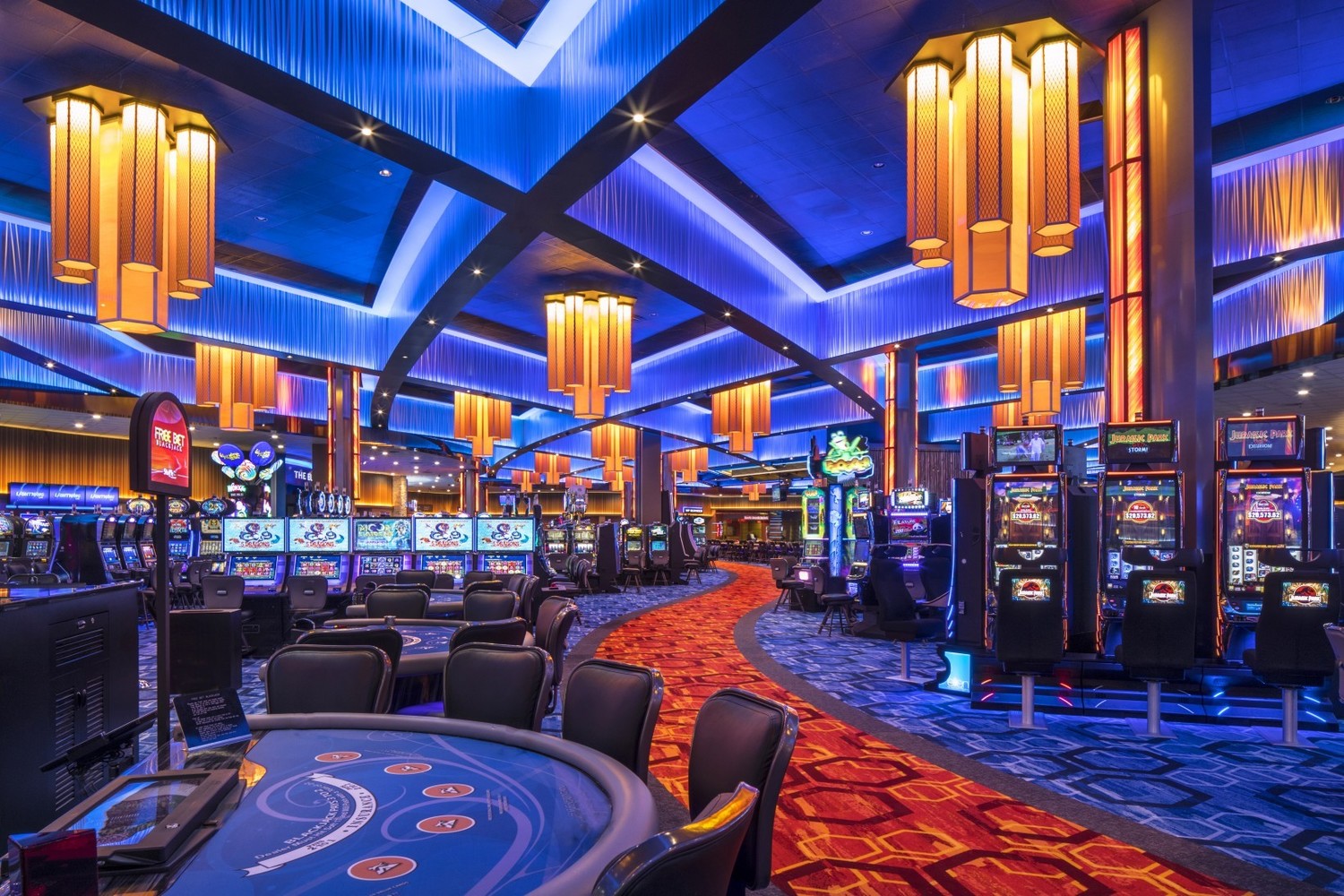
Step into the electrifying world of a live casino, where real dealers, genuine tables, and high-definition streaming bring the authentic thrill of Vegas directly to your screen. Interact with professional croupiers in real time as you play classic games like blackjack and roulette from the comfort of your home. This is immersive, interactive gambling at its finest, blending cutting-edge technology with the timeless excitement of a brick-and-mortar floor.
The Shift from Land-Based to Real-Time Digital Tables
The modern boardroom is shedding its heavy past, witnessing a dramatic shift from land-based to real-time digital tables. Where once static maps and paper charts anchored discussions, sleek interactive screens now pulse with live data feeds and collaborative software. This evolution transforms stale meetings into dynamic war rooms, where global metrics update instantly under a manager’s fingertips. No longer bound by a single physical terrain, teams can pivot strategies based on streaming analytics, dragging financial models and supply chain overlays into shared focus. This transition not only saves countless hours once lost to manual updates but also fuels faster, more informed decision-making. The real-time digital table emerges as the new epicenter of agile leadership, replacing the obsolete surveying of furniture with the visceral pulse of enterprise intelligence.
How Streaming Technology Bridges the Gap Between Physical and Virtual
The transition from static land-based mapping to dynamic real-time digital tables has revolutionized how we analyze spatial data, making geographic information instantly interactive and collaborative. Real-time digital tables empower faster decision-making by allowing multiple users to manipulate layers, zoom into live data feeds, and overlay environmental or infrastructural changes as they happen—a stark contrast to the rigid, single-use paper maps of the past. This shift means no more wrestling with bulky printouts or waiting for updates; instead, teams can swipe, pinch, and annotate directly on high-resolution screens during critical missions, from emergency response to urban planning. The result is a fluid, engaging workflow where data breathes and adapts, eliminating the lag between observation and action and unlocking a new era of agile, data-driven collaboration.
Why Players Prefer Authentic Dealers Over Random Number Generators
The era of static, land-based tactical maps has given way to a dynamic, living ecosystem of real-time digital tables, fundamentally transforming how teams coordinate and decide. Dynamic data visualization in collaborative workspaces now allows operators to manipulate 3D terrain, overlay live drone feeds, and update incident markers with a simple swipe, replacing slow, manual pin-placement with instantaneous, shared situational awareness. This shift delivers critical advantages:
- Speed: Real-time data ingestion erases the lag between an event and its display.
- Collaboration: Multiple stakeholders at different locations can annotate the same digital surface simultaneously.
- Adaptability: Scenarios update instantly as new inputs arrive, allowing for agile, on-the-fly strategy adjustments that a paper map could never support.
Core Technologies Powering Modern Interactive Wagering
Modern interactive wagering is powered by a slick blend of real-time data processing and secure financial tech. At the heart of it, live odds streaming relies on sophisticated algorithms that crunch vast datasets—from player stats to weather changes—updating bet lines in milliseconds. This dynamic pricing is paired with robust encryption protocols (like SSL) to protect every transaction and user identity. Meanwhile, high-performance distributed computing ensures that millions of users can place bets simultaneously without lag, making platforms feel responsive and fair. Behind the scenes, machine learning models also spot suspicious patterns to prevent fraud, while HTML5 web apps and optimized mobile SDKs deliver that same seamless experience across devices.
Q: How do odds update so fast during a live game?
A: It’s all about server-side event-driven systems. The platform listens to official game feeds, runs automated risk calculations, and pushes new odds to your screen in under a second—without you ever noticing the math happening behind the button.
Optical Character Recognition and Its Role in Instant Gameplay
Modern interactive wagering relies on a stack of advanced technologies for real-time, secure operations. At the foundation, real-time data processing engines ingest and analyze vast streams of live event information from multiple sources. This data is combined with in-play pricing models and risk management algorithms. User authentication and financial transactions are secured through end-to-end encryption and tokenization. The user interface itself is powered by responsive frameworks capable of updating odds and event states with minimal latency across desktop and mobile devices.
The Impact of Low-Latency Feeds on Betting Decisions
Modern interactive wagering runs on a seamless stack of core technologies. At its heart is real-time data processing, which feeds live odds and scores directly to your device. Everything relies on robust backend systems using cloud computing for massive scalability, plus secure APIs that connect sportsbooks to game data providers. You’ll also find random number generators (RNGs) powering virtual games, while geolocation software ensures you’re betting from a legal area. Payment Rails handle instant deposits and withdrawals through digital wallets or crypto, and machine learning algorithms personalize suggestions based on your history. The front end is built with responsive frameworks for smooth clicks on any screen. Together, these layers deliver a fast, fair, and engaging experience without noticeable lag.
Navigating Game Variety in a Streaming Environment
When you’re juggling a million different games on stream, variety is the spice of life, but it also comes with a unique set of challenges. You want to keep your regulars happy while also hunting for that next hot title to pull in new faces. The key is to avoid burning out your audience by hopping between wildly different genres too fast. Instead, try thematic nights or scheduling specific “deep dive” sessions for longer RPGs. This creates a rhythm that helps viewers know what to expect. Focusing on game variety for streamers doesn’t mean being scatterbrained; it means proactively planning your library. Build a solid rotation of comfort games and new releases, and always read the room. Ultimately, the best variety comes from your genuine energy, so prioritize titles that let your personality shine. That authentic excitement is what keeps viewers engaged across different gaming landscapes.
Classic Card Games That Thrive in a Hosted Setting
Finding your groove with game variety on stream is all about balancing what you love with what keeps your audience hooked. It’s easy to get stuck playing the same hit title every day, but mixing things up can actually boost your channel’s growth. Game variety streaming strategies help you avoid burnout and attract different viewer types, from RPG fans to battle royale enthusiasts. A good rule of thumb is to schedule themed days—like “Shooter Sunday” or “Indie Hour Wednesday”—so regulars know what to expect while still getting surprises. Just keep an eye on your chat; if people start checking out during a slower puzzle game, pivot to something more high-energy next session.
Variety doesn’t mean abandoning your niche—it means giving your community more reasons to stick around.
Innovative Game Shows and Unique Twists on Traditional Formats
The sheer volume of titles on modern streaming platforms can be overwhelming, but mastering game variety is key to retention. Rather than sticking to a single genre, successful streamers curate a rotating library that balances viewer expectations with personal passion. This strategy keeps your content fresh and prevents audience burnout. Game variety is essential for sustaining long-term channel growth.
To effectively navigate this landscape, consider structuring your weekly schedule around different energy levels. A proven approach includes:
- Monday: High-energy multiplayer chaos.
- Wednesday: Deep-dive narrative or horror.
- Friday: Community choice or “wildcard” indie title.
Variety isn’t just about playing different games; it’s about offering your community a different experience every time they click your stream.
This dynamic mix allows you to capture diverse audience interests while avoiding the trap of oversaturation in a single title, keeping your broadcasts unpredictable and compelling.
Designing a Seamless User Experience for Real-Time Play
Designing a seamless user experience for real-time play begins long before the first click. You’re crafting an invisible stage where the player’s attention never breaks, and the system’s response feels like an extension of thought. Every millisecond of latency is a tiny crack in that illusion, so real-time interactive performance becomes the non-negotiable foundation. The interface fades away—no loading spinners, no jarring menus. Gestures feel instinctual; the world reacts before the mind consciously commands it. I once watched a player circle a digital arena, dodging and weaving, their avatar mirroring their breath. The magic wasn’t in the graphics—it was in the trust built by zero lag. That trust is the heart of real-time game UX design: a silent pact that the digital world will obey as fast as the real one.
Q: How do you handle network lag without breaking immersion?
A: By hiding the seams—predict player intent, queue inputs locally, and animate transitional states that feel natural (e.g., a slight stumble instead of a teleport).
Interface Layouts That Prioritize Quick Bets and Chat Features
In designing a seamless user experience for real-time play, every millisecond feels like a heartbeat that must never skip. We built the interface around instinct, stripping away clutter so players never think about the menu—only the quest ahead. Latency-optimized interactions mean a character dodges a foe before the visual signal fully registers, because our predictive engine pre-loads the next likely action.
This invisibility required solving three pain points:
- Instant feedback: each tap, swipe, or click triggers a response in under 50ms.
- Context-aware HUD: vital stats fade into view only when health drops below 20%.
- Adaptive frame pacing: on low-end devices, the game smoothly reduces particle density rather than stuttering.
The result? Players lose themselves not in buttons or buffers, but in a world that moves with them, breathless and alive.
Mobile Optimization and the Rise of Touchscreen Wagering
Prioritizing real-time interaction design demands eliminating perceptual latency through preemptive asset loading and streamlined server responses. Every micro-interaction, from button press to visual feedback, must feel instantaneous and predictive. To maintain flow, minimize cognitive load: avoid disruptive modals, use subtle haptic cues, and ensure consistent frame pacing. A seamless experience hinges on forgiving input validation and graceful state recovery when network volatility spikes. Test your prototype under throttled conditions to uncover friction points before launch. Ultimately, design for the edge case where the player’s focus is absolute, ensuring every action yields a direct, satisfying consequence within the same heartbeat.
Psychological Factors That Keep Players Engaged
The first time you match three icons, a small chemical reward flickers in your brain. This is the hook. Developers masterfully weave variable rewards into every loop, ensuring you never quite predict the jackpot, keeping your thumb hovering over the screen. Beyond the dopamine, games exploit the endowment effect: after hours of grinding, your digital castle feels like a genuine part of yourself, making abandonment feel like a loss. Then comes the sunk cost fallacy, whispering that you have invested too much time to quit now. Finally, social accountability seals the deal—a guild member’s message, “we need you for the raid,” transforms a solitary hobby into a pact of loyalty, turning pixels into a profound, unshakable commitment. This is not mere play; it is a carefully crafted psychological architecture.
Social Interaction and the Allure of a Shared Virtual Table
Psychological hooks like variable rewards keep players glued to the screen, as the brain releases dopamine in anticipation of unpredictable loot drops or match outcomes. The “Zeigarnik effect” also plays a big role—unfinished quests or skill trees feel mentally itchy, pushing you to log back in for closure. Meanwhile, social validation from leaderboards or guild chat taps into our need for belonging and status. Together, these factors create a compelling loop:
- Progress markers (level-ups, achievements) provide quick wins.
- Frustration spikes (near-misses or hard bosses) trigger persistence.
It’s a clever design that turns play into a satisfying habit.
How Pace and Pacing Influence Betting Patterns

Sarah didn’t just boot up the game for another match; she needed the satisfaction of seeing her rank climb. This pursuit of mastery is driven by psychological triggers in gaming engagement, primarily the variable reward schedule. Unlike predictable rewards, an unpredictable drop—a rare item, a clutch victory, or a sudden level-up—hijacks the brain’s dopamine system. This “just one more try” loop is reinforced by the illusion of control; players feel that skill, not luck, can tilt the odds. When a near-miss streak fuels the belief that the next attempt is “the one,” they remain tethered to the experience. This combination of uncertainty and perceived agency creates a powerful, often subconscious, compulsion to continue.
- Mastery & Progress: Visible skill growth and leveling systems provide a sense of accomplishment.
- Social Connection: Shared goals with friends or guilds create a sense of belonging.
- Loss Aversion: Players fear losing their streak, rank, or progress more than they desire gains.
Q: Why do players buy cosmetics if they have no gameplay advantage?
A: It’s tied to social status and identity. A rare skin creates a sense of prestige, satisfying the need for recognition and self-expression within the game’s world.
Legal and Licensing Pathways for Regulated Platforms
Operating a regulated platform requires navigating distinct legal and licensing pathways that vary by jurisdiction and industry. Entities must typically secure operational licenses, data protection certifications, and comply with anti-money laundering (AML) statutes, with platform compliance frameworks often mandating periodic audits and transparent reporting. A core requirement involves aligning with local financial conduct authorities or digital services regulators, which may impose capital reserves and user protection measures.
Without a valid license or registration, platforms face potential shutdowns, heavy fines, and irreparable reputational damage.
Additionally, adhering to cross-border data transfer rules is critical for international operations, as non-compliance can trigger severe penalties under laws like GDPR or CCPA. Ultimately, the pathway demands ongoing legal due diligence to maintain authorization and avoid enforcement actions.
Key Jurisdictions and Their Certification Requirements
Securing a regulatory license is the definitive legal gateway for operating a compliant platform in any jurisdiction. This mandatory pathway typically involves rigorous background checks, financial solvency audits, and the implementation of robust anti-money laundering (AML) protocols. Without this authorization, https://jalwaverse.co.in platforms face severe penalties, including shutdowns and criminal liability, making licensing a non-negotiable cornerstone of credible operations. Navigating compliance frameworks effectively requires a bespoke legal strategy, as requirements vary sharply between jurisdictions—ranging from state-by-state licenses in the U.S. to centralized EU directives. A proactive approach with specialized counsel ensures you meet all operational standards before launch, transforming a complex hurdle into a powerful trust signal for users and investors alike.
Compliance Measures for Fairness and Responsible Gaming
Securing a legal and licensing pathway is non-negotiable for regulated platform operators aiming for long-term market access and consumer trust. Regulatory compliance frameworks typically require platforms to apply for specific operator licenses, submit to rigorous background checks, and implement robust anti-money laundering (AML) protocols. Key stages in this process include:
- Jurisdictional Analysis: Determining the primary regulatory body (e.g., UKGC, MGA, or local state commissions).
- Application Submission: Providing detailed corporate structure, financial solvency proofs, and system audits.
- Ongoing Reporting: Submitting periodic transaction reports and undergoing compliance audits.
Q: What is the first step for a new platform?
A: Secure legal counsel to evaluate licensing requirements in your target jurisdiction before any technical development begins.

Strategies for Building Trust with Remote Players

Building trust with remote players starts with consistent and transparent communication. Make it a habit to over-communicate expectations, project updates, and feedback—use a shared platform like Slack or Discord so no one feels left out. Show genuine interest in their time zones and personal schedules, and avoid micromanaging by focusing on results rather than online hours. A powerful move is to encourage virtual social moments, like a casual Friday hangout or a co-working stream, where the focus is on connection, not work. Trust often grows in the quiet spaces between deadlines, not just on calls. Finally, deliver on your promises every time; reliability is the bedrock of any remote relationship.
Transparency in Card Shuffling and Wheel Outcomes
Building trust with remote players requires deliberate, consistent communication and transparent systems. Virtual team bonding activities are essential; schedule regular, informal video check-ins to humanize interactions beyond project updates. Establish clear, documented expectations for availability, response times, and decision-making processes—ambiguity erodes confidence. Empower players with ownership over their tasks and provide visible progress tracking, allowing them to demonstrate reliability without micromanagement. Celebrate wins publicly and address failures constructively through private feedback, ensuring psychological safety. When conflicts arise, resolve them quickly with recorded calls and shared notes to prevent misunderstandings. By prioritizing dependability and open dialogue, you transform geographical distance into a foundation of mutual accountability.
Customer Support and Dispute Resolution in a Real-Time Setting
Building trust with remote players starts with radical transparency and consistent communication. Share your development roadmap openly, admit mistakes quickly, and explain the “why” behind changes. Building trust in remote gaming communities relies heavily on predictable, fair moderation and clear conflict resolution processes that players can review. To foster a sense of ownership, actively solicit feedback through polls and dedicated Discord channels, then visibly implement their suggestions. Simple, regular check-ins from the dev team, like a weekly video update or a casual “ask me anything” session, humanize the project and show players they are heard, not just managed.
Monetization Approaches Beyond Standard Side Bets
Diversifying revenue beyond standard side bets requires integrating non-intrusive monetization streams that align with user engagement. Implement dynamic sponsorship integrations, where brands underwrite specific in-game challenge modes or provide exclusive themed assets, generating recurring CPM revenue without disrupting core play. Another expert-level approach is leveraging cross-platform utility tokens, allowing players to earn and redeem value across your ecosystem, from cosmetic unlocks to ad-free experiences. Additionally, consider a tiered performance subscription that grants advanced analytics or exclusive tournament access, creating a low-churn revenue model. These methods not only sustain profitability but also deepen user loyalty by rewarding attention rather than intercepting it.
Loyalty Programs Tailored for High-Frequency Participants
Beyond standard side bets, modern table game monetization leverages in-game progression features that reward player loyalty through milestone bonuses. Operators deploy “bet-and-win” trackers triggering extra payouts after a set number of hands, effectively increasing handle per seat. Another potent approach is the “ante bonus” mechanism, where players pay a small optional fee to qualify for a shared jackpot pool or enhanced odds. These systems accelerate revenue without altering core game mathematics. Consider these proven models:
- Optional buy-in features offering premium multipliers for specific card combinations.
- Progressive mystery jackpots funded by a fixed fraction of every wager.
- Real-time leaderboards with cash prizes for highest win streaks.
These strategies transform passive betting into active, high-engagement play sessions, driving both floor revenue and per-visitor spend sustainably.
Integrating Cryptocurrency for Faster Transactions
To pump up revenue without relying on tired side bets, operators are diving into dynamic player engagement models. Think micro-betting on in-game events, like the next pitch speed or a specific player’s shot accuracy. Another winning play is integrating subscription tiers, offering premium stats or ad-free viewing for a monthly fee. Even small purchases can snowball into serious recurring income when done right. You can also explore branded content partnerships, where sponsors pay for exclusive odds or themed challenges, creating a win-win for both the house and the audience. These methods not only boost the bottom line but also keep the experience fresh and interactive.
Emerging Trends Shaping the Next Wave of Digital Tables
The next wave of digital tables is being sculpted by seamless interactivity and AI-driven personalization, transforming surfaces into intuitive command centers. These smart tables are shedding static displays, adopting transparent OLEDs and gesture recognition that respond to touchless swipes above the surface. They now anticipate workflow needs by analyzing user behavior in real time. Multiuser collaboration is evolving, with tables enabling independent viewing angles for each person via advanced lenticular lenses. Built-in wireless charging grids and modular power rails are making cords obsolete. Furthermore, integration with IoT ecosystems allows these tables to control room lighting, thermostats, and even task-robots directly from the surface. This convergence of hardware and adaptive software is redefining the furniture itself as a primary computing interface, blending the physical and digital realms more fluidly than ever before.
Virtual Reality Rooms That Mimic Brick-and-Mortar Venues
Emerging trends are turning digital tables into intuitive command centers for hybrid workspaces and smart homes. The next wave focuses on gesture-controlled collaboration hubs that let you swipe, pinch, and zoom without touching the screen—ideal for messy brainstorming sessions or sterile lab environments. Key shifts include:
- AI-powered context awareness: the table adjusts brightness, app layouts, and input modes based on who sits down.
- Built-in wireless charging for every device within the surface area.
- Modular privacy partitions that rise or vanish on voice command, perfect for open-plan offices.
These tables also integrate biometric sensors to monitor air quality and posture, subtly prompting breaks. Forget clunky cables—the next generation will feel more like a living surface than a screen. Expect seamless pairing with AR glasses, turning the tabletop into a 3D workspace for architects or designers. It’s smart, subtle, and surprisingly affordable for small teams.
AI-Powered Personalization of Dealer Interaction
The next wave of digital tables is defined by invisible interfaces and spatial intelligence. These surfaces are evolving from simple touchscreens into ambient computing hubs that blend seamlessly with the physical environment. Key trends include haptic feedback that simulates texture on glass, ultra-low latency for multi-user collaboration, and embedded sensors that adjust content based on user proximity. We also see a shift toward hybrid glass, which can shift from opaque to transparent, perfect for retail or architectural displays. The integration of LiDAR enables 3D object recognition, allowing tables to “see” items placed on them for automatic inventory or augmented reality overlays.
Key technical shifts to watch:
- Self-healing displays using micro-capsule technology
- Wireless power and data transmission through the tabletop
- Eye-tracking for context-aware menu adjustments
Q&A:
Who benefits first from these trends?
High-end hospitality and medical imaging settings, where sterile, hands-free interaction reduces contamination and improves workflow.